December is the month we hear from most people who have lost somebody. Not the anniversary, not the birthday — Christmas. It is the one occasion where an empty chair is unavoidable and public at the same time.
We make memorial crystals for a living, so read this knowing that. We have tried to write the useful version rather than the selling version, including the parts where the answer is not to buy anything.
The thing bereaved people say most often
It is not that people said the wrong thing. It is that people stopped saying the name.
The instinct is protective — you do not want to upset someone by bringing it up, especially at Christmas. But the person is already thinking about them. They were thinking about them before you arrived. Mentioning the name does not remind them of anything; it just tells them they are allowed to talk about it.
That principle covers most of what follows. A gift that names the person is doing the same job as saying the name out loud.
What tends to land well
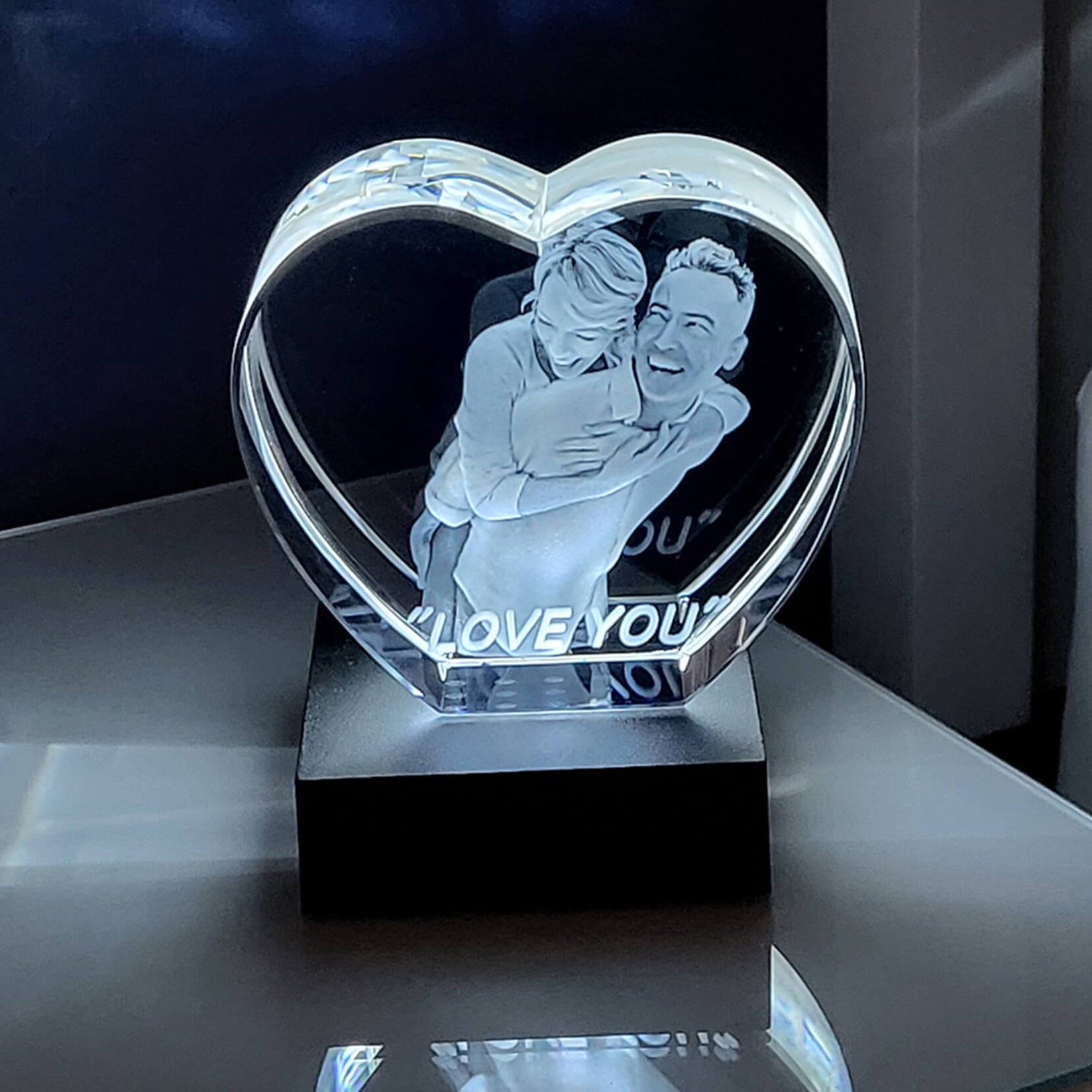
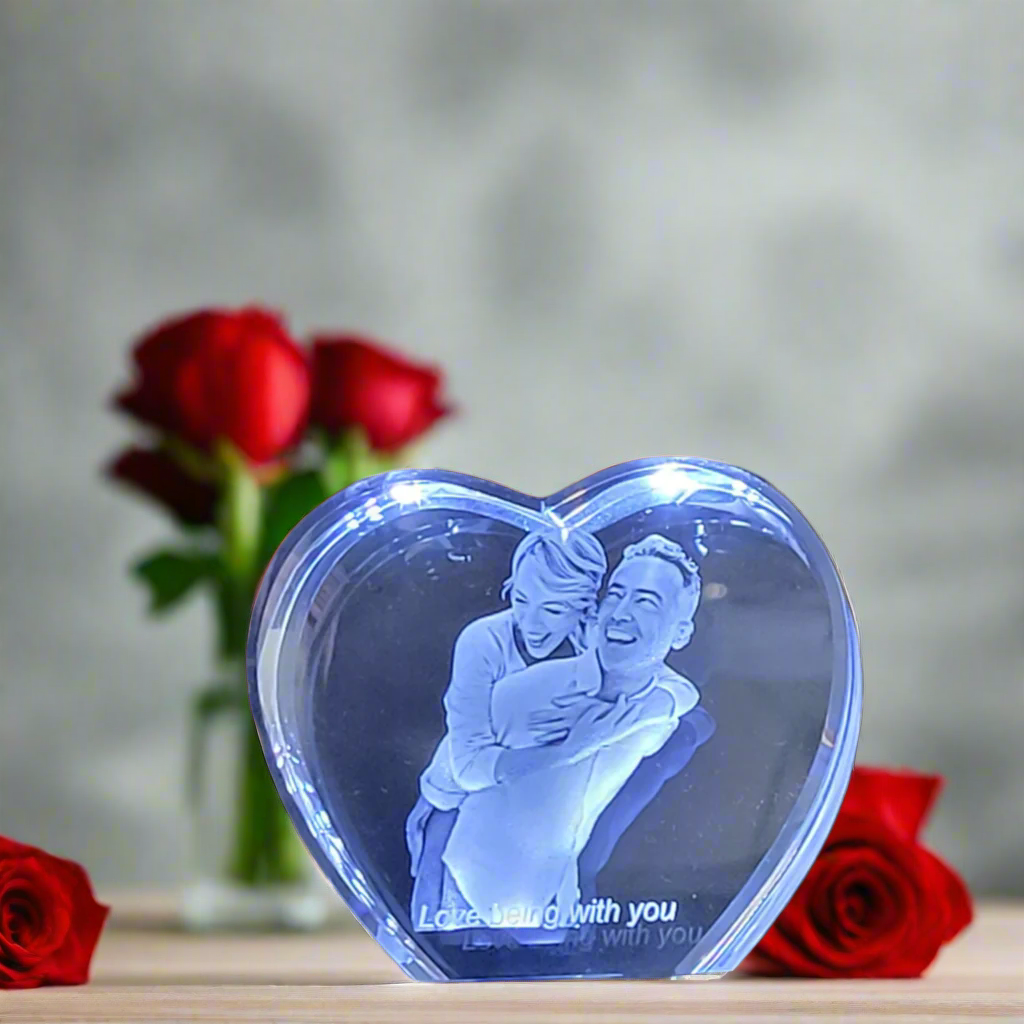
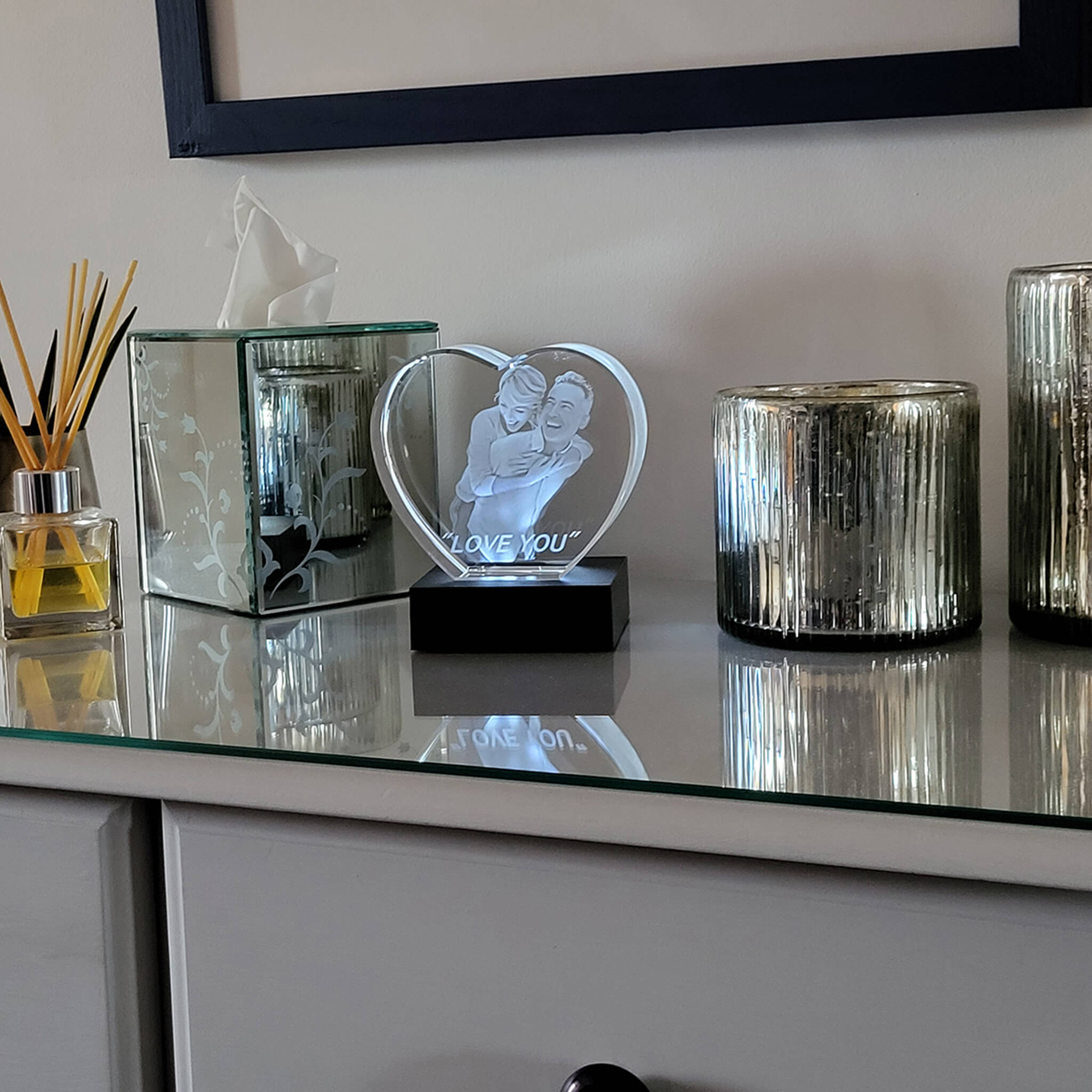
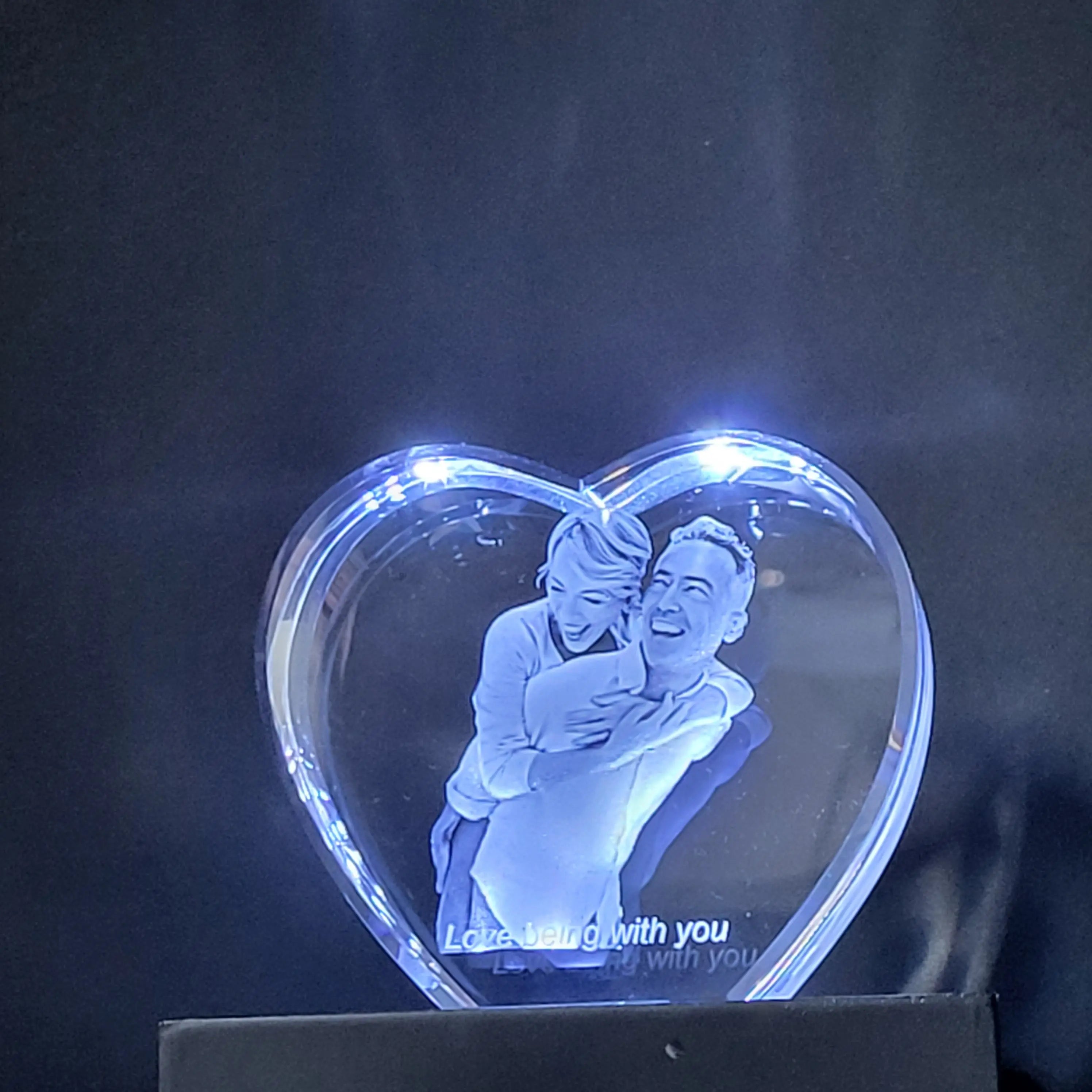
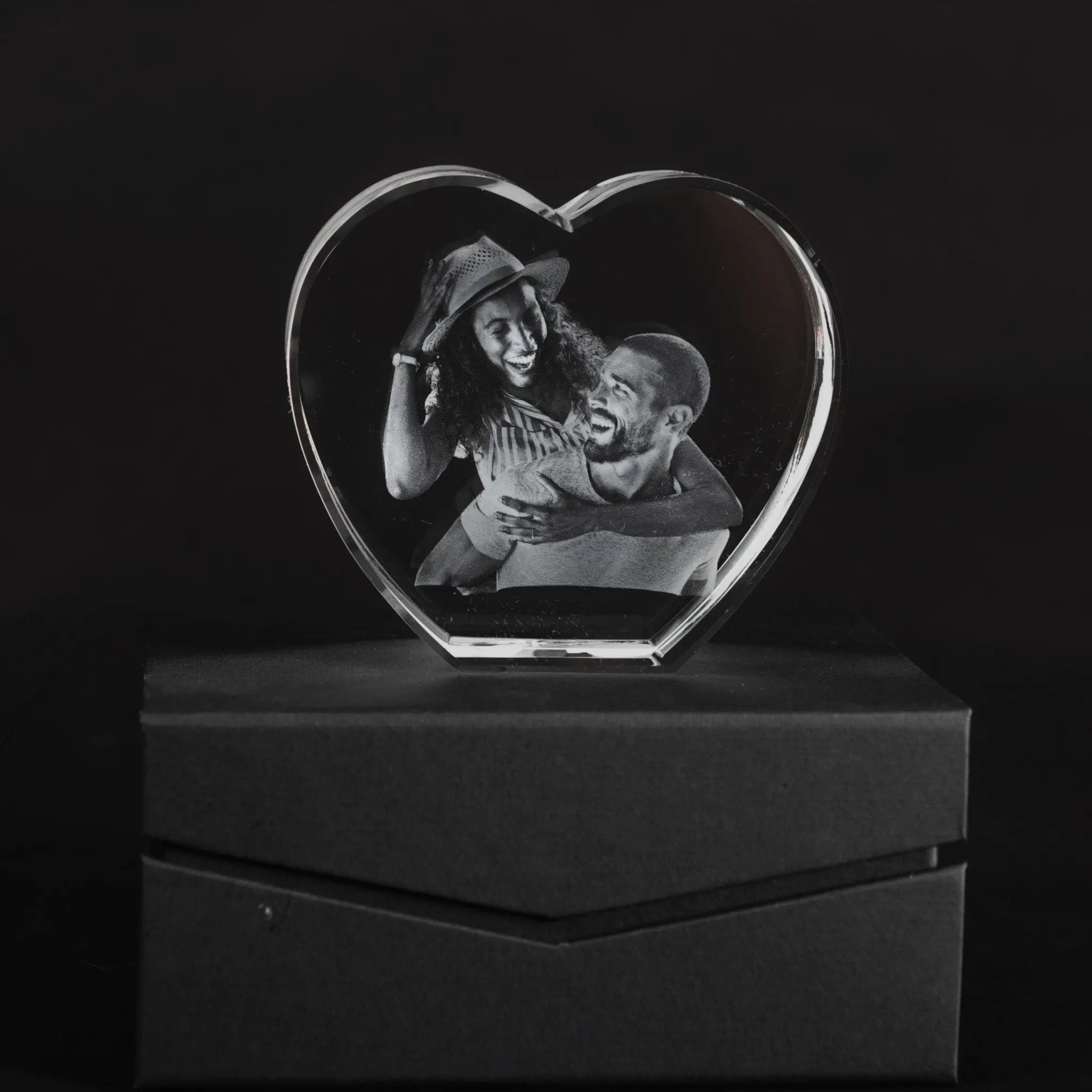
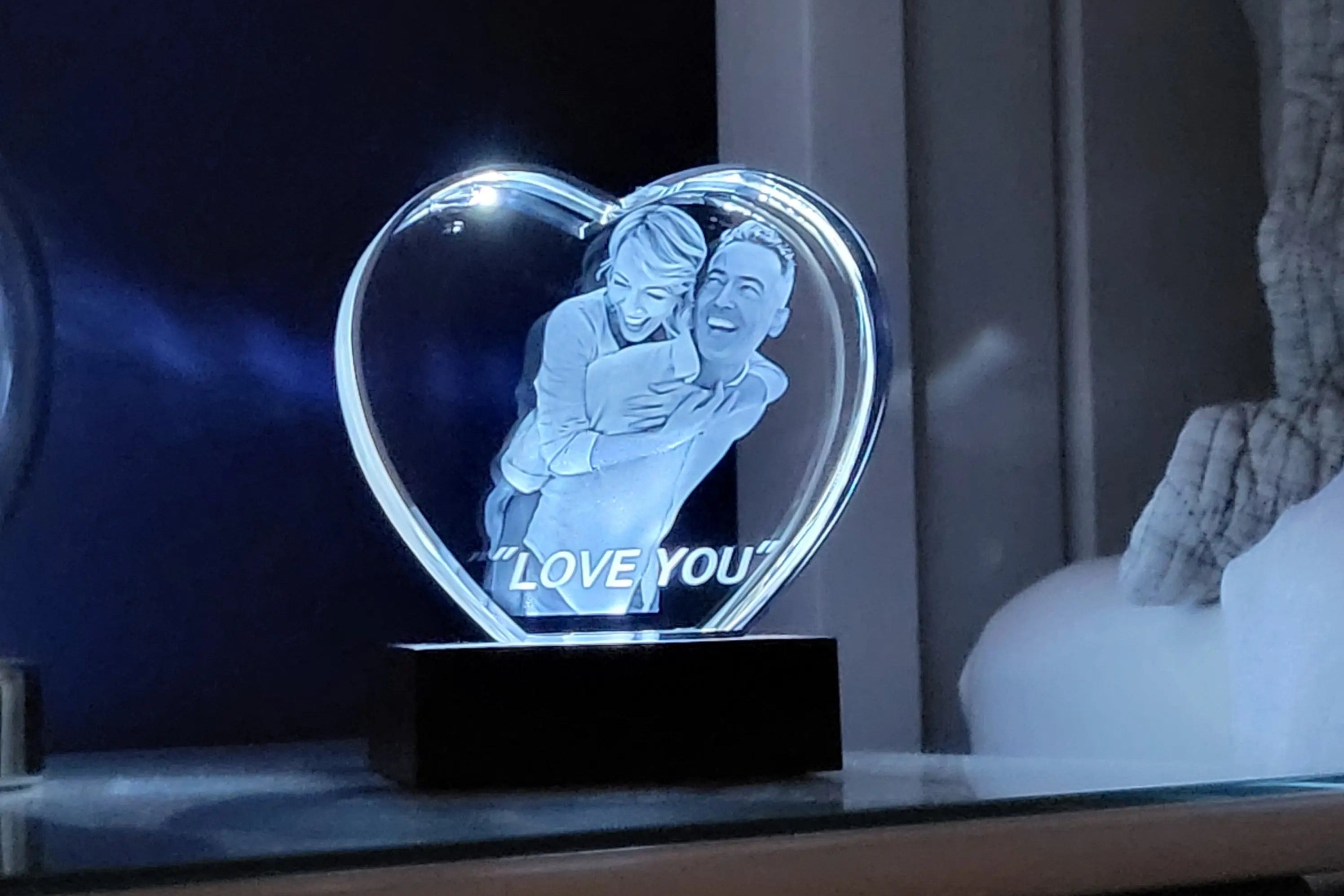
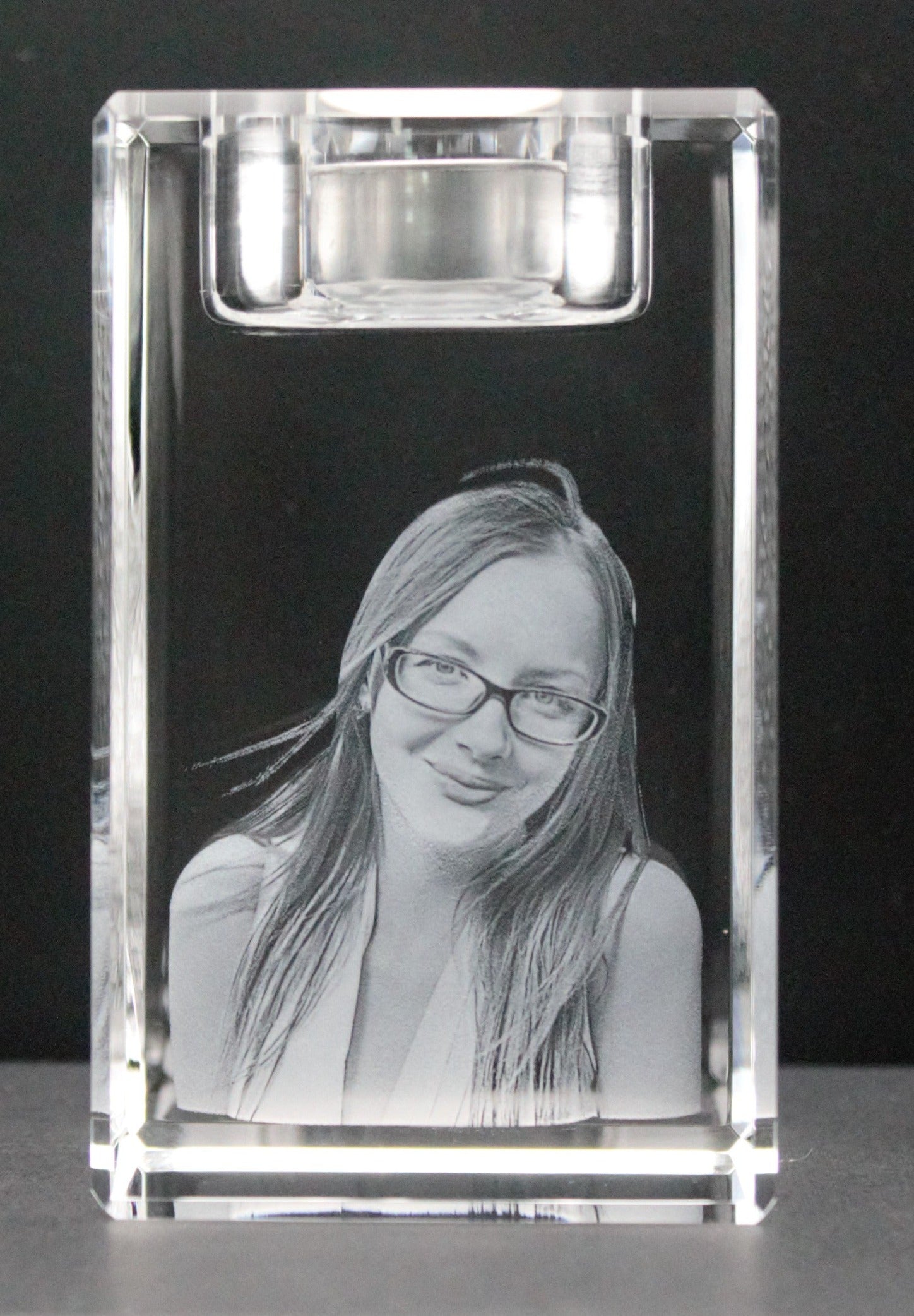
Something built around a photograph. A picture they already treasure, made into something that stays out on a shelf rather than living on a phone. This is what we make, so treat it as declared interest — but it is also, consistently, the thing people write to tell us about afterwards.
Something with the name on it. Engraved, embroidered, written. Small is fine. The name is the point.
Something that is about a specific memory rather than grief in general. The football team. The garden. The particular biscuit. Specificity says I knew them too, which is a different and better message than I am sorry for your loss.
Your time, with a date on it. “Let me know if you need anything” puts the work on them. “I am coming round on the 28th, I will bring lunch” does not. This costs nothing and is frequently worth more than any object.
What tends to land badly
A gift that pretends the year was normal. Bath sets and novelty socks are not offensive, they are just conspicuous. They read as not knowing what to do.
Anything instructional. Books about stages of grief, journals with prompts, anything implying they should be processing it differently or faster. If they want that they will find it.
A surprise, opened in front of everybody. More on this below — it is the mistake we see most.
Something enormous. A very large, very expensive memorial piece can feel like an obligation: now it has to go somewhere prominent, forever. Smaller gives them the choice.
Give it before the day, not on it
This is the practical advice we would most like people to take.
Christmas morning is crowded, public and fast. An emotional gift opened in a room full of family gives the person no privacy to react, and no graceful option other than holding it together in front of everyone. Some people are fine with that. Many are not, and you cannot tell in advance which.
A quiet moment a few days earlier costs you nothing and gives them the whole choice: how to react, whether to put it out on the day, whether to mention it at all. If it goes on the mantelpiece on the 25th, that was their decision rather than yours.
When not to give one at all
Being straight about this matters more than a sale does.
If the person has not yet been able to look at photographs — if the albums are still in a drawer, if pictures have been taken down rather than put up — they may not be ready, and a photograph gift can land as pressure rather than comfort. It is early days for a lot of people at their first Christmas.
The reliable signal is what they already do. Someone who keeps photographs out, who shows you pictures on their phone, who talks about them, will welcome another one. Someone who has not got there yet is telling you something. In that case: a card with the name written in it, and a specific offer of your time. Keep the photograph idea for next year, or for a birthday, when it may be exactly right.
If you genuinely cannot tell, you are allowed to ask. “I was thinking of having a photo of your mum made into something — would that be welcome, or too soon?” is a kind question, not a clumsy one.
Choosing the photograph
The one the family already loves, not the sharpest one.
Every family has a picture that gets shown to people. It is often not the best photograph in any technical sense — wrong light, slightly out of focus, taken in a pub. It is the one where they look like themselves, and that is the one to use.
Do not rule a photo out because you think the quality is too poor. A great deal of what we engrave comes from 1980s prints, screenshots, and phone pictures taken years ago in bad light. Photograph an old print flat, in daylight, without flash, and send that. If it will not work we say so before you have paid for anything, and we will tell you why rather than just declining.
There is more detail in our guide to choosing the right photo.
The wording
Less than you think.
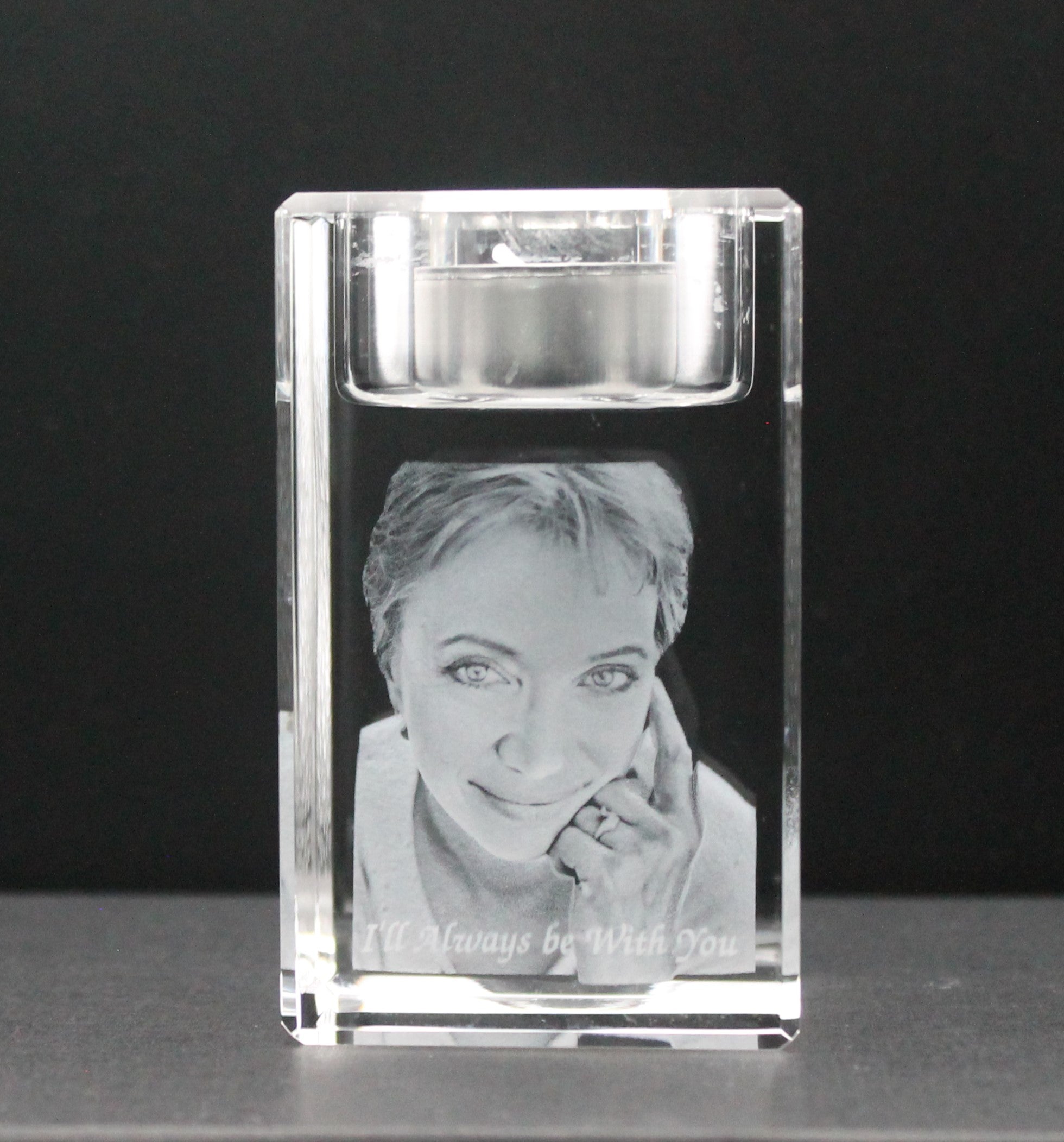
A name and two dates is enough. A name on its own is often better. If you want a line, use something that was genuinely said — a phrase they always used, the way they answered the phone — rather than a verse copied from a search result. The borrowed verses are recognisable, and they flatten a specific person into a general one.
Anything longer than a line stops being read after the first fortnight. The object gets looked at for years; the paragraph does not.
If it is a pet
Some people will find a pet section in an article about bereavement odd. Anyone who has lost one will not.
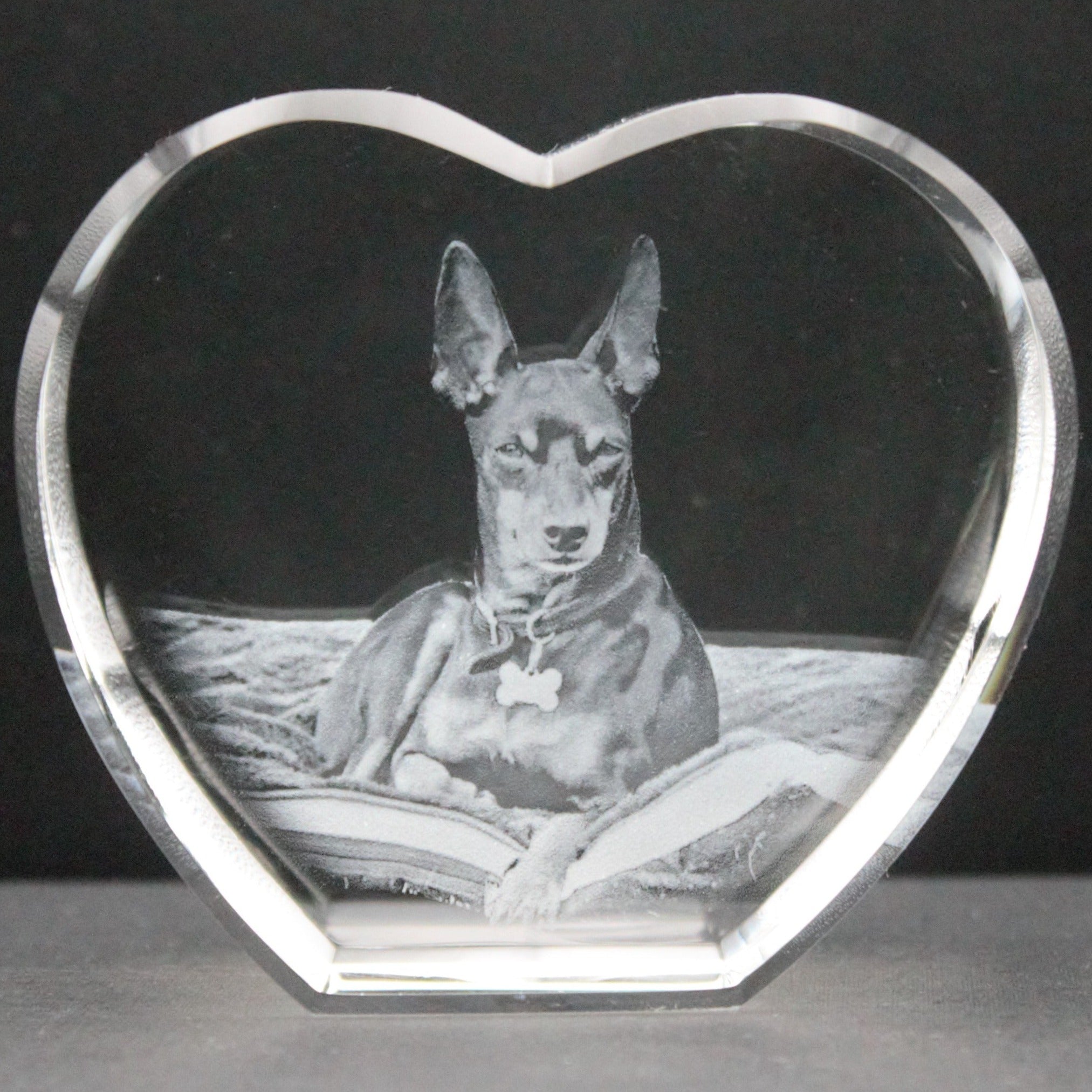
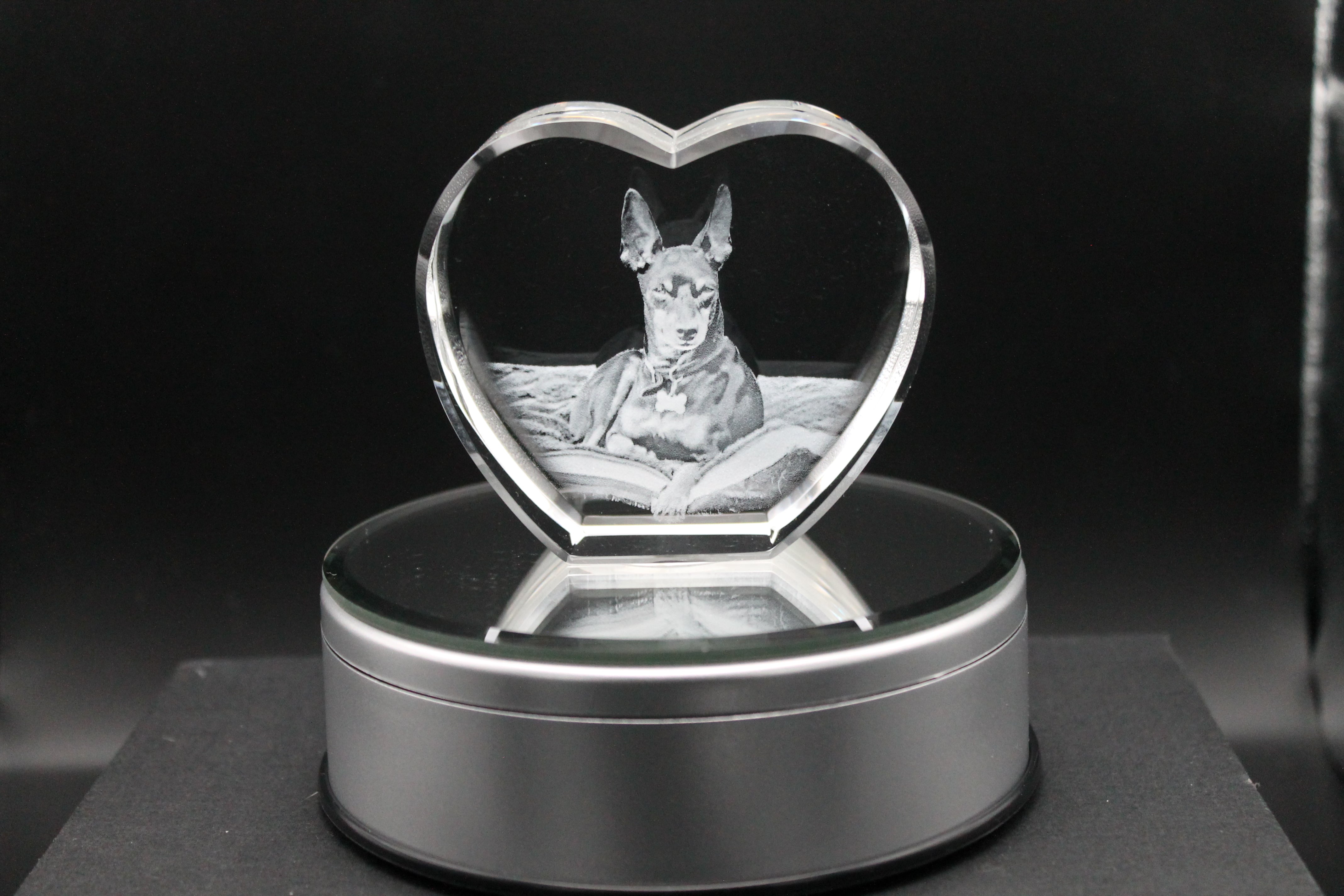
Roughly a third of everything we engrave is somebody's dog or cat, and December brings a lot of them — often for the first Christmas where the dog is not under the table. The same rules apply: close-up, eyes visible, name and years short. Our pet memorial crystals are here.
What we make, in one paragraph
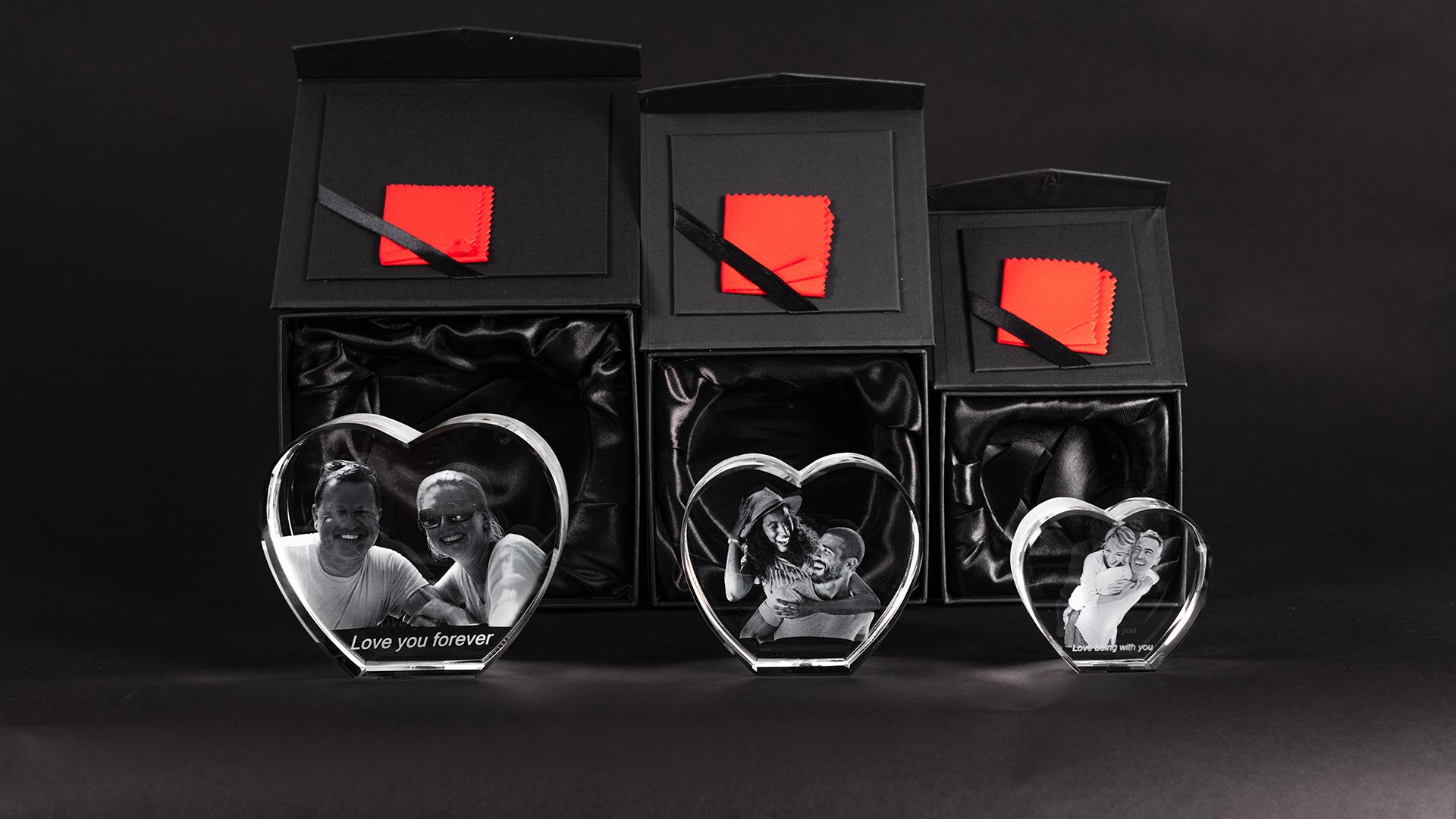
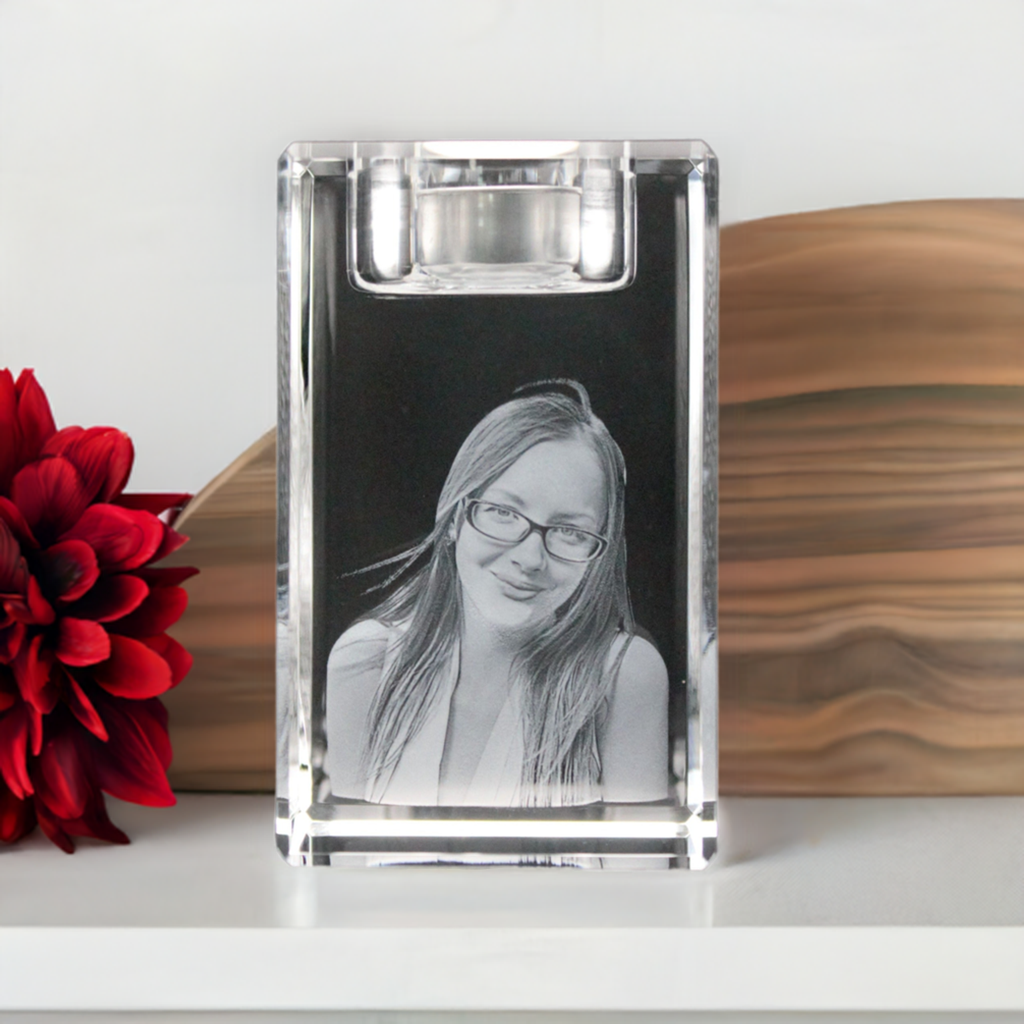
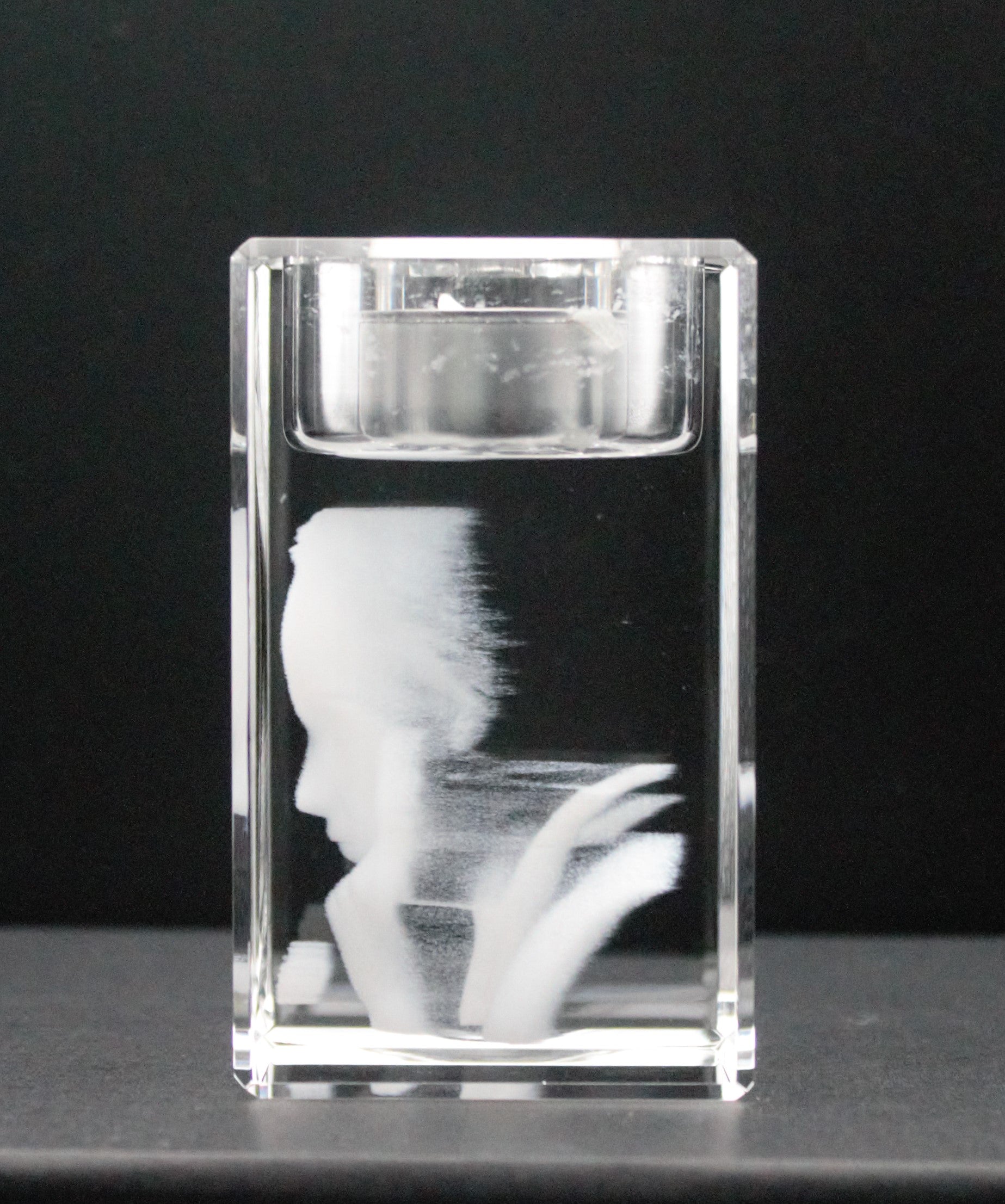
A photograph engraved inside solid K9 optical crystal by a laser, up to 15 million individual points at different depths, so the image sits in three dimensions in the middle of the glass. Nothing is printed on the surface, so it cannot fade. The rectangle suits a portrait and is what most people choose; the heart is the softer option; there is a rectangle with a tea light holder if a candle matters. Names, dates and wording are engraved free. Free UK delivery is 2–3 working days with a 24-hour option, and there is a full no-quibble refund behind it.
If you would like to see it before we make it, tick the preview box when you order — it is free, we email it within 24 hours, and nothing is engraved until you are happy with it. For a memorial piece we would always suggest doing that, because the spelling of a name is not something to find out about afterwards.
The longer, quieter version is our guide to choosing a memorial crystal, and the range is in memorial 3D photo crystals.
Questions we get asked
What do you give someone facing their first Christmas without somebody?
Something that acknowledges the person rather than distracts from them. In practice that usually means something built around a photograph, or something practical that carries their name. What tends to land badly is a gift that pretends the year has been normal.
Should I mention the person who died, or avoid it?
Mention them. The most common thing bereaved people say is that others stopped saying the name, and that the silence was harder than the sadness. Using the name in a card, out loud, or engraved on something is almost always welcomed.
Is a memorial gift a good idea for a first Christmas?
Usually, but not always, and it depends on the person rather than on the gift. Someone who already keeps photographs out will welcome another. Someone who has not been able to look at photographs yet may not be ready, and in that case a card that names them and an offer of your time is worth more.
When should I give a memorial gift at Christmas?
Consider giving it before the day rather than on it. Christmas morning is crowded and public, and an emotional gift opened in front of a room can be difficult. A quiet moment a few days earlier gives them the choice of how to react and whether to put it out.
What should I have engraved on a memorial gift?
Less than you think. A name and two dates is enough, and a name on its own is often better. If you add a line, make it something that was actually said rather than a verse from the internet. Anything long stops being read after the first week.
What photograph should I use for a memorial gift?
The one the family already loves, not the most technically perfect one. Ask if you are not sure, or use the picture that gets shown to people. Old prints, screenshots and blurry phone photos can all be worked with, so do not rule one out on quality alone.
Is it too late to order for Christmas?
Usually less late than people assume. Free UK delivery is 2–3 working days as standard and 24-hour delivery is available as a paid option at checkout. If a date is tight, say so when you order and we will tell you honestly whether it can be done rather than let you hope.
If you want to talk it through first
You can. Send us the photograph and tell us who it is for, and we will tell you what we think — including if we think it is not the right year for it. Get in touch. Nobody is going to chase you.
Sarah & Shaun
If you are struggling and would like to talk to someone, Cruse Bereavement Support runs a free national helpline in the UK, and your GP can refer you to local bereavement services.
Related reading
Choosing a memorial crystal: an honest guide · Personalised Christmas photo gifts · Choosing the right photo · Can 3D crystal photos fade? · Pet memorial crystals